

Last updated on June 23rd, 2026 at 01:40 pm
Paid social ads competitor analysis helps your business understand what works in your market so you can create ads that perform better. By reviewing the messages, visuals, and formats other brands use, you see what grabs attention and what gets ignored.
This gives you a clear starting point for your own ads. It helps you focus on proven ideas, avoid common mistakes, and spend your budget on strategies that are more likely to work.
What Paid Social Competitor Analysis Really Means
Paid social competitor analysis is the process of reviewing your competitors’ paid social ads to understand what works and how to improve your own ads.
You look at their design style, messages, offers, audience clues, and engagement. Then you use what you learn to shape better ad strategies.
How to Analyze Competitor Ads Effectively
To analyze competitor ads, you must review specific details like the hook, visual style, offer, and call to action. You also need to look for patterns across multiple campaigns, such as the frequent use of short videos, bright colors, or customer testimonials. This process reveals what draws attention and helps you build a strategy based on data rather than guesses.
Single ads do not tell the whole story. However, spotting trends across many ads shows you what is working in your industry right now.
Reviewing the Hook and Message
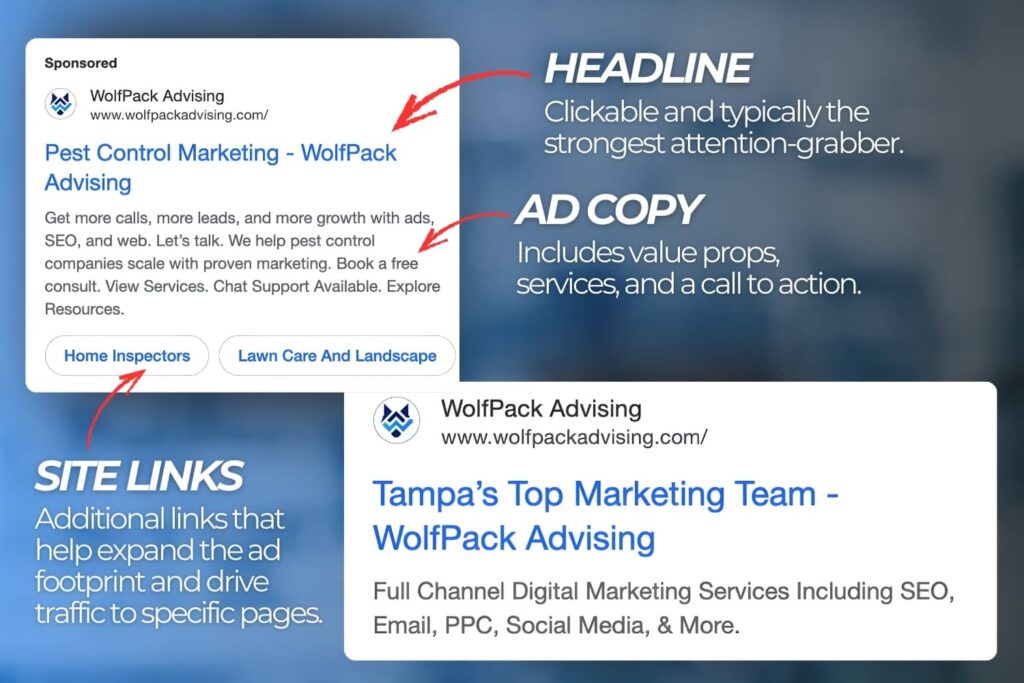
The first thing to analyze is the “copy,” or the words used in the ad. You need to see how your competitors speak to their potential customers.
The Hook
The hook is the very first sentence. It stops people from scrolling. Look for these things:
- Do they ask a question?
- Do they mention a specific pain point?
- Is the tone funny, serious, or urgent?
Tone and Message Style
Read the body of the ad. Is the voice professional and friendly, or is it aggressive? The tone must match what the target audience expects. If you see a specific tone used often, it is likely resonating with readers.
Visual Patterns: Images, Videos, and Colors
The visual style is what grabs attention first. You need to identify the quality and format of the media.
Image or Video Style
Note the quality and style of the media. Are they using professional photos or casual phone videos? Video often performs better on social platforms. If your competitor uses raw, authentic videos, their audience might prefer that over polished commercials.
Colors and Layout
Colors set the mood. Look at their ad feed as a whole.
- Are the colors bright and bold?
- Do they use dark mode styles?
- Is the design busy or clean?
If you see a lot of bright colors, the audience is likely to respond well to high-energy visuals.
Offers, Discounts, and Calls to Action
The prettiest ad in the world will not work without a good offer. You need to identify exactly what they are selling.
Offers and Calls to Action
The prettiest ad in the world will not work without a good offer. Therefore, you need to identify exactly what they are selling.
Promo or Offer
Check if they are offering a discount, a free consultation, or a downloadable guide. Strong offers usually lead to more clicks. If you see an ad running for a long time, that specific offer is likely working well for them.
Call to Action (CTA)
The CTA is the button or instruction that tells the user what to do next. Common examples include “Learn More” or “Sign Up.” See if their CTA matches the offer. As a result, a mismatch here can hurt results.
Engagement and Social Proof
Trust is a major factor in marketing. You need to verify how the audience feels about the ads.
Engagement and User Feedback
One of the most valuable steps is reading the comments. This is where you find the truth about how users feel. Look at the comments and reactions. A high number of likes implies the content is engaging. However, comments tell a deeper story.
What users seem to like or dislike
If people are complaining in the comments about shipping times or high prices, you have found a weakness. You can write your own ads that highlight your fast shipping or fair pricing. If people are tagging friends, the ad is relatable. So, try to figure out why they connected with it.
Design, Tone, and Frequency
Use the table below to organize what you see about the ads’ look and feel.
| Element | What to Look For | Why It Matters |
|---|---|---|
| Colors and Layout | Bright colors vs. dark themes. Clean text vs. busy designs. | Colors affect emotion and brand recognition. |
| Tone and Message | Professional, friendly, or aggressive. | The voice must match the target audience’s expectations. |
| Posting Frequency | How often do they launch new ads? | High frequency often indicates a high budget and aggressive goals. |
These details reveal what draws attention and what may turn people away.
Why Patterns Matter More Than Individual Ads
While single ads do not tell the whole story, you should look for patterns across many ads:
- Do most competitors use short videos?
- Video is very popular on social media. Check if your competitors are using short clips under 15 seconds. If everyone is using video and you are only using photos, you might fall behind.
- Do they use bright colors?
- Colors set the mood. Look at the feed of ads.
- Are the colors bright and bold?
- Are they using dark mode styles?
- Do they use their brand colors or high-contrast colors?
- Colors set the mood. Look at the feed of ads.
If you see a lot of bright colors, it means the audience likely responds well to high-energy visuals.
Messaging and Offers
Once you look past the image, you need to read the text. Then, you can see how they speak to their customers.
- Are their hooks short and punchy?
- The ‘hook’ is the first sentence. In a busy news feed, you have to be quick. Therefore, look for patterns in how they start their sentences.
- Do they ask questions?
- Do they state a shocking fact?
- Are the sentences very short?
- The ‘hook’ is the first sentence. In a busy news feed, you have to be quick. Therefore, look for patterns in how they start their sentences.
- Do they push discounts often?
- Check the offers. If you see the same discount code or “Free Shipping” offer in every ad, it’s likely profitable for them. If they rarely offer discounts, they might compete on quality instead of price.
The Power of Social Proof
Trust is a major factor in marketing. You need to see how your competitors build trust.
Do they use testimonials?
- Look for ads that feature quotes from happy customers. Sometimes these are written on the image. Other times, they are video reviews.
- If you see a pattern of testimonials, it means the audience needs reassurance before making a purchase. You should consider adding reviews to your own ads.
Summary of Patterns to Watch
Use this table to organize your research.
| Pattern Type | Specific Questions to Ask |
|---|---|
| Media Format | Do they use short videos or static images? |
| Visual Style | Do they use bright colors or professional photos? |
| Copywriting | Are the hooks short and punchy? |
| Offers | Do they push discounts often? |
| Trust Factors | Do they use testimonials or star ratings? |
Common Competitor Trends to Watch
Competitor trends help you understand how the market is shifting. When you track these trends over time, you can adjust your strategy before falling behind. Consequently, this keeps your ads fresh and more aligned with user expectations.
Creative Trends
Creative trends show how visual styles change over time. You may notice shorter videos, more natural user-generated content, or quick product demos replacing simple images. Bright, eye-catching designs may also become more common. Therefore, these shifts reveal what users enjoy and which formats feel current.
Message Trends
Messaging trends help you understand what your audience wants to hear. Competitors may adjust their tone, simplify their benefits, or make their calls to action clearer. When these patterns repeat, they show you which messages resonate most with customers.
Offer Trends
Offer trends highlight what customers respond to. You may see more free trials, seasonal offers, or limited-time deals across your niche. When similar promotions appear often, it suggests these offers motivate people to click or buy.
Platform Trends
Platform trends reveal which ad styles work best in each channel. Quick vertical videos perform well on TikTok and Instagram, while Facebook may favor carousels. LinkedIn often leans toward professional stories or case-study formats. Moreover, these patterns help you choose creative that matches each platform.
Why Paid Social Ads Competitor Analysis Matters
Paid social competitor analysis helps your business save money, create more effective ads, and better understand your market.
It Shows You What Your Audience Likes
You can quickly see which ad styles get strong engagement. If competitors use short videos with simple messages, this tells you that the format works. Therefore, this helps you skip guesswork and focus on ideas with stronger potential.
The Market Is Crowded and Competitive
Social platforms are crowded. Reports show that social media ad spend could reach $276.7 billion in 2025, meaning businesses are running more ads than ever.
Therefore, it makes it important to understand what stands out and what blends in.
It Helps You Avoid Creative Mistakes
Studying competitor ads helps you avoid:
- Weak hooks
- Overcomplicated messages
- Long, slow videos
- Low-quality images
- Confusing layouts
- Unclear offers
Therefore, seeing these mistakes first saves you money.
It Helps You Set Helpful Benchmarks
Competitor data gives you a baseline for:
- How often to post
- What offers feel strong
- What tone do users respond to
- How polished your creative should look
In addition, these benchmarks keep your ads competitive.
It Helps You Plan Smarter Budgets
Competitor activity shows you seasonal patterns. For example:
- Heavy ad volume in November and December
- Slow periods in early spring or late summer
- Extra ad pushes around holidays
These patterns help you plan when to increase or lower spending.
How to Perform Paid Ads Social Competitor Analysis Step by Step
You can do paid social competitor analysis with simple tools and a repeatable process.
Step 1: Identify Your Competitors
List businesses that target the same audience as you. Include:
- Direct competitors
- Indirect competitors
- Local businesses
- National brands in your niche
- Online-only competitors
If you cannot find many, study brands that sell different products to the same customer type.
Step 2: Use Tools to View Active Ads
Most social platforms have public ad libraries. Use tools such as:
- Meta Ad Library
- TikTok Creative Center
- LinkedIn Ads Library
- Facebook Page Transparency
- YouTube ad examples
- Semrush ad tools (optional)
However, Google does not publicly show full competitor campaigns the way Meta does, so there’s no 100% accurate way to view all their ads. You can use Google’s Ad Preview tool, run incognito searches, or check tools like SpyFu or SEMrush to get a general idea, but the results won’t be exact.
Step 3: Look for Creative and Message Patterns
Patterns show you what is common across your market. Compare:
- Hooks
- Video length
- Color styles
- Layouts
- Promo types
- Calls to action
- Visual themes
- Tone of voice
| Video, image, or carousel | What to Look For | Notes |
|---|---|---|
| Hook | First line or opening clip | Short or long |
| Format | Video, image or carousel | Video, image, or carousel |
| Offer | Discount, free demo, trial | Compare strength |
| CTA | Button text | Simple or direct |
| Tone | Friendly, serious, playful | Match user style |
| Visuals | Colors, layout, people | Clean or busy |
Step 4: Review Engagement and Comments
Engagement teaches you what real users think. Look at:
- Likes
- Comments
- Shares
- Questions in comments
- Common complaints
- Praise and reactions
Moreover, these patterns help you understand what users enjoy or dislike.
Step 5: Track Frequency and Timing
Look at how often competitors run ads. You may notice:
- Weekly ad refreshes
- Seasonal spikes
- Holiday promotions
- Back-to-school or summer ramps
- Slowdowns in certain months
Moreover, this helps you plan a smarter posting schedule.
Step 6: Record Your Insights in a Template
Use a simple Google Sheet or Excel file to track:
- Competitor name
- Strong ideas
- Weak ideas
- Repeated themes
- Top-performing formats
- Best hooks
- Best offers
- Likely audience segments
- Posting habits
Therefore, this becomes your playbook for future campaigns.
How to Use Competitor Insights to Improve Your Ads
Competitor insights are only valuable when you use them to improve your own ads.
Improve Your Targeting
Competitor messaging shows who the ad is meant for. Look for clues in:
- Age references
- Family or lifestyle mentions
- Industry terms
- Geographic details
- Problem statements
- Benefit promises
As a result, these clues help shape audience targeting.
Improve Your Creative Style
If you see that competitors get strong engagement using:
- Short vertical videos
- Text overlays
- Simple demos
- People-centered visuals
- Bright colors
- Fast hooks
Then test similar formats. You do not need to copy. Instead, you only need to follow the trends that clearly perform
Strengthen Your Message and Offer
Competitor offers show what users expect. If your offer is too weak, improve it with:
- Clearer benefits
- Lower barriers
- Simple promises
- Specific results
- Customer proof
In other words, your message should answer the same pain points competitors are trying to solve.
Plan Better Budgets and Posting Schedules
If your competitors are active during certain months, adjust your spending plan. You may choose to:
- Increase spending during heavy demand
- Hold steady during slow periods
- Push unique offers when competitors are quiet
As a result, these choices help your ads get the best visibility at the right time.
Test Faster and Reduce Waste
Ultimately, if you already know which ad styles fail in your industry, you can skip them.
Therefore, this reduces test costs and helps you find winning ideas faster.
Easy Tools and Templates for Paid Social Competitor Analysis
Use simple, free tools to manage your process:
- Meta Ad Library
- TikTok Creative Center
- LinkedIn Ads Library
- Facebook Page Transparency
- Google Sheets competitor template
- Optional: cross-platform analysis tools
Additionally, these tools help you gather and sort insights quickly.
Related Questions
How often should I check competitor ads?
Check competitor ads every one to two weeks. This helps you stay updated on new offers, creative changes, and seasonal pushes without spending too much time on it.
Should I copy competitor ads?
No. Use competitor ads for inspiration, not duplication. Copying hurts your brand and rarely works. Instead, look for patterns you can improve or adapt.
Can I see their exact targeting?
You cannot see exact audience settings, but you can spot clues. The message, tone, visuals, and offers often reveal who the ad is meant for.
What if my niche has few advertisers?
Study related industries that target the same customer. Their creative patterns and messages can still help guide your strategy.
Does competitor analysis help small budgets?
Yes. It saves money by helping you avoid weak ideas and focus on ad styles already proven to work in your market.
Conclusion
Paid social competitor analysis helps your business build stronger ads with less waste. In addition, it shows what works, what does not, and what your audience pays attention to. Moreover, these insights help you make smarter creative, targeting, and budgeting decisions.
If you want help reviewing your competitors or improving your paid social ads, WolfPack Advising can support with clear insights and actionable steps.