Leads scattered across the metro kill your margin
Two jobs forty minutes apart can lose money at full price. We target the ZIPs where you already have density, so new customers make your existing routes better.
01 / Services
Every channel. One pack.
Brand, leads, and automation under one roof, tracked to revenue.
Your digital marketing foundation.
Reach people ready to hire you.
Nurture leads. Build lasting relationships.
02 / Who We Help
Built for service businesses.
Home services, construction, and professional practices that live on local leads.
03 / About
Meet the pack.
Former operators. Transparent reporting. Results you own.
04 / Resources
Sharpen your edge.
Guides, a podcast, free tools, and how-to help.
A one-time wasp nest pays for the truck roll. A quarterly contract pays for the business. Most pest control marketing chases whoever calls first and never asks whether that customer is worth keeping. We build demand that turns into recurring accounts, clustered tight enough that your routes actually make money.



Overview
Pest control lives on two numbers most agencies never ask about: route density and retention. A customer twelve minutes off your route can cost more in drive time than the treatment earns. And a plan that cancels at month four never pays back what it cost to get.
On top of that, demand swings hard. Termite swarms, mosquito season, rodents moving indoors in the fall. Each one spikes a different search, and whoever already ranks takes the calls.

Why WolfPack
No two pest control companies are shaped the same way, either. A two-truck operation working one side of a county has a different problem than a company running eight routes across a metro with commercial accounts on the books. One needs reviews and density in a handful of ZIPs. The other needs a campaign structure that stops cannibalizing itself. We start with your route map and your retention numbers, then build around them.
We build for both sides of this. Targeting that respects where your trucks already go, campaigns timed to the pest calendar instead of the marketing calendar, and automation that keeps customers from quietly cancelling.

The Problems We Fix
Most companies we talk to have two or three of these, not all five, and sometimes one we have not listed. The audit tells us which are actually yours.
Two jobs forty minutes apart can lose money at full price. We target the ZIPs where you already have density, so new customers make your existing routes better.
Recurring plans only pay back over time. We run retention marketing between visits so they stay.
When termites swarm, whoever already ranks gets the calls. We build visibility six to eight weeks ahead of each season.
A single wasp removal is not growth. We run follow-up that converts those customers onto plans while the result is fresh.
Discount buyers cancel more and refer less. We lead with guarantees, response time, and reviews instead.
How It Works
We map where you rank across your service area, where your routes are dense enough to build on, and what your current cancellation rate is costing you. You get an honest read on the gaps whether or not you hire us.
Campaigns and location pages built around the ZIPs you already run, so growth compounds instead of scattering. A radius setting does not know where your trucks go, and that is where most pest control ad budgets quietly leak.
Content and ads live before termite, mosquito, and rodent season peaks, not during them. Organic needs the runway to rank and paid needs a tuning window, so six to eight weeks ahead is the target.
Local SEO and Google Business Profile management to put you in the top three for "exterminator near me" across the towns you cover. Reviews and profile completeness move this more than anything else, and it keeps producing after you pause ad spend.
Automated email and text that reinforces plan value, cuts cancellations, and prompts upgrades. Most churn happens in the quiet stretch when nothing goes wrong and the customer forgets what they are paying for.
Every inquiry tracked back to its source, plus what it turned into. You see cost per new account and whether your recurring base is actually growing, not a chart of visits.
Benefits
Density First
Route density decides whether a new account is profit or drive time. A customer twelve minutes off the line can cost more in windshield hours than the treatment brings in. Growth that lands inside your existing footprint makes every stop on that truck worth more, and the effect compounds with each season you add to it.
Targeting starts from your route map instead of a radius setting. Location pages, map pack work, and ad geography all point at the ZIPs your trucks already cover, so new accounts thicken the routes you run rather than scattering them across the metro. Techs spend less of the day driving and more of it billing.
Accounts That Stay
The money in pest control sits in the plan that renews, not the wasp nest that paid for the truck roll. Churn is quiet. It happens in the stretch when nothing goes wrong and the customer forgets what the payment prevents. Keeping those accounts costs far less than replacing them every spring.
We market to the base you already have, not only to strangers. Automated email and text between visits reinforce what the plan covers, prompt upgrades, and move one-time jobs onto recurring service while the result is still fresh. Those messages sync with FieldRoutes or whichever platform runs your schedule and billing.
Ahead of Season
Termite swarms, mosquito season, and rodents moving indoors each spike a different search, and the company already ranking takes those calls. Showing up the week the phones start is late. Organic needs runway and paid needs a tuning window, so the work has to land six to eight weeks ahead of the peak.
Your year gets planned against the pest calendar instead of the marketing calendar. Content, location pages, and campaigns go live before each season, then get tuned while volume is still climbing. By the time demand arrives, your listings, your reviews, and your ads are already in position to catch it.
Yours to Keep
The assets producing your calls should belong to the company paying for them. A Google Business Profile, a website, an ad account, call history, and a customer list are a real part of what a pest control business is worth at sale. Renting those from an agency makes leaving expensive by design.
Everything gets built in accounts you own, with full access and full permissions from the first week. You pay the platforms directly and we charge a flat management fee. Every service stays month to month, with a discounted annual plan only if you want one, so the work has to keep earning your business.
Digital Marketing Services
Pest control rewards a tight, local stack. Local SEO and Google Business Profile management win the map pack in the ZIPs your trucks already cover, review automation builds the proof that lets you skip the discount war, and CRM and email keep plan customers from drifting. Paid ads sit on top for the seasonal spikes, where timing matters more than budget.
Maximize ROI with PPC, Local Services Ads, and social campaigns: targeted strategy, creative, and full management for more leads.
Learn more about AdvertisingEngage your audience with professional content writing: blogs, web pages, and copy tailored to your brand and goals.
Learn more about Content WritingBuild a memorable brand with expert strategy, logos, and visuals that set you apart.
Learn more about BrandingCustom sites built to load fast, read well on a phone, and turn visitors into booked jobs. You own the site, the…
Learn more about WebsiteKinsta hosting and enterprise-grade Cloudflare, managed by a team that keeps your site fast, secure, and up to date.
Learn more about Website HostingGet cited in ChatGPT, Gemini, Grok, Claude, and Perplexity. WolfPack audits your AI visibility, then builds the authority that earns the citation.
Learn more about AI Engine OptimizationStay top of mind and turn social into leads. We run your profiles and content so customers and referral partners choose you.
Learn more about Social Media ManagementBoost visibility and leads with SEO and Answer Engine Optimization: optimized content plus local and technical SEO for top rankings.
Learn more about Search Engine OptimizationGet more 5-star reviews on autopilot and let WolfPack manage every response. More reviews, higher rankings, better ad performance. Included in every…
Learn more about Review ManagementPricing
Basic, Advanced, and Pro describe the level of support within a service. Choose the services you need and the package level that fits each one.
A focused starting point for the service you need most.
Your package
A broader scope for the next stage of your business.
Your package
A comprehensive scope for more ambitious or complex needs.
Your package
Packages are sold per service. Available tiers, deliverables, and pricing vary by service and are confirmed in your proposal.
Meet the Pack

CEO & Founder

Advertising Team Lead

CRM Specialist
Proof, Not Promises
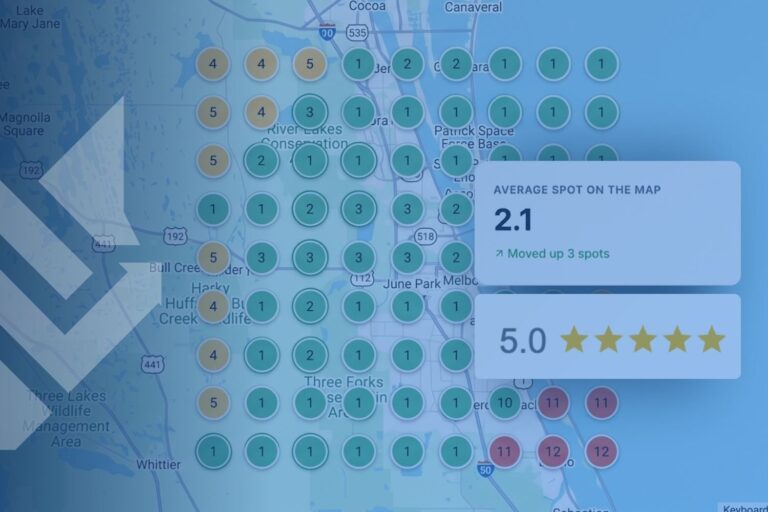
Here is what this looks like for a real pest control company.
Noticeable boost in audience engagement and activity Result highlight
649 tracked leads Leads in 6 Months
From the Blog
Marketing advice written for pest control, not generic small business filler. Seasonal demand, plan retention, route growth, and getting more reviews.
Quick Questions
It is a targeting and follow-up problem, not a volume problem. We aim at searches that signal ongoing need, then run automated follow-up that moves one-time customers onto plans.
Yes, and it is one of the biggest levers in this industry. We build campaigns and pages around the ZIPs where you already run.
Six to eight weeks before the spike. SEO needs time to rank and ads need a tuning window. Waiting for the first swarm call means paying peak prices.
Retention marketing between visits. Reminders, seasonal education, and plan value follow-up. Most churn happens because the customer forgets what they are paying for when nothing goes wrong.
No, and heavy discounting usually backfires. Deal-led customers cancel more and refer less.
Paid ads produce calls in the first week, with 30 to 60 days of tuning before cost per lead settles. Local SEO shows early movement in one to three months and real gains in three to six. Retention automation tends to show up fastest, because it is fixing follow-up that should already be happening.
Yes. A homeowner searching for an exterminator and a property manager sourcing a multi-site contract have nothing in common in how they search or what they need to see. One campaign for both usually underserves the commercial side, which is the higher-value one.
Reviews
We will show you where the recurring customers are in your market and what it takes to win them.