


Social media advertising costs in 2026 continue to rise, but businesses that understand where those costs come from and how platforms’ pricing reach can still scale visibility efficiently without wasting budget.
This guide breaks down what social media advertising costs look like in 2026, why prices vary so widely, and how home service businesses and local brands can maximize reach while keeping spending under control.
Contents
Why Social Media Advertising Costs Matter in 2026
Social media advertising has become essential for local and service-based businesses. As more companies compete for attention, paid social is now one of the primary ways to stay visible to potential customers.
In 2026, rising advertising costs are largely driven by increased competition, platform automation, and higher expectations for ad quality.
Businesses that understand these shifts can plan their budgets more strategically, rather than reacting to short-term performance changes.
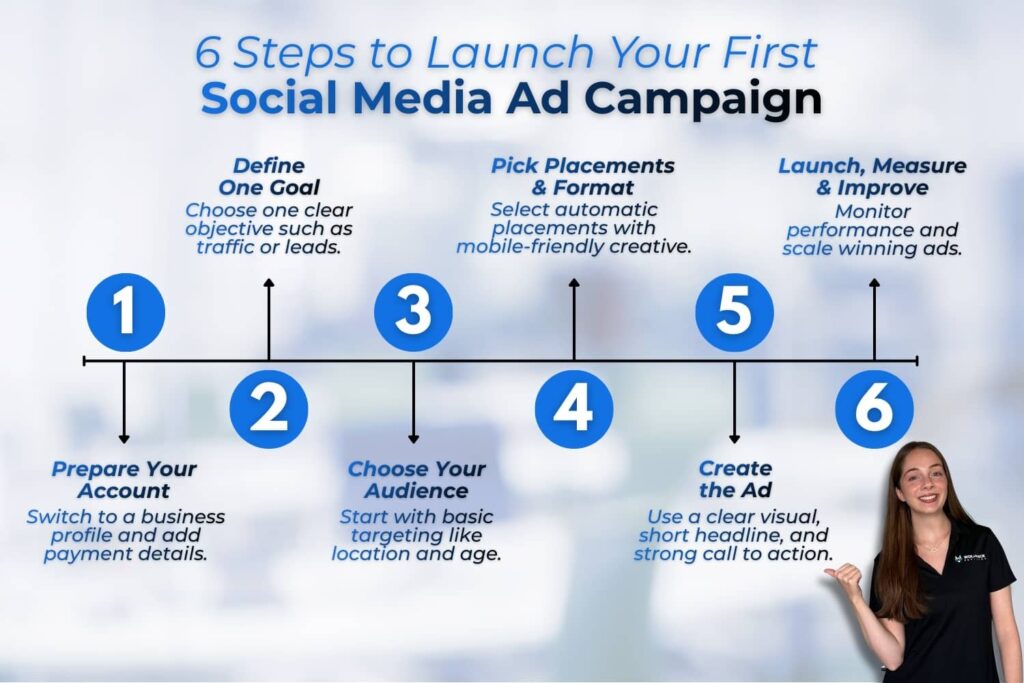
What Are Social Media Advertising Costs in 2026
Social media advertising costs refer to the amount businesses pay to display ads across platforms such as Facebook, Instagram, TikTok, YouTube, and LinkedIn.
Most platforms price ads using auction-based systems that factor in:
- Bid amount
- Audience competition
- Ad relevance and engagement
Core Cost Metrics Used in 2026
If your goal is leads, keeping an eye on cost per lead (CPL) is just as important as CPC or CPM.
- Cost per click, which measures engagement interest
- Cost per thousand impressions, which measures reach efficiency
- Cost per lead, which reflects conversion performance
Industry research from Data-Driven Advertising EU suggests that stronger engagement signals can lead to noticeably lower advertising costs over time compared to ads with weak creative or targeting.
How Much Do Social Media Advertising Costs Really Run in 2026
Social media advertising costs vary by market, industry, and goals, but average spending patterns are becoming more consistent. Industry data on the average cost of digital advertising shows that typical CPCs and CPMs vary widely by platform, format, and industry, which is why monthly spend ranges for social media can look so different from one business to another.
According to recent agency and platform reporting:
- The average small business spends $2,000 to $5,000 per month on paid social
- Competitive home service markets often require $3,000 or more to maintain a stable reach
- Campaigns under $1,000 per month struggle to generate meaningful data
Typical Monthly Ad Spend Ranges
| Business Stage | Monthly Ad Spend | Expected Outcome |
|---|---|---|
| Testing phase | $750 to $1,500 | Limited reach and learning |
| Growth phase | $2,000 to $4,000 | Consistent reach and insights |
| Competitive scale | $5,000+ | Market-level visibility |
Campaigns with consistent monthly budgets give platforms enough data to optimize delivery, which often results in faster stabilization and lower costs per impression over time.
Tracking the right marketing budget metrics helps you see whether your spend is actually moving the needle.
If you are not sure where to start, WolfPack’s paid social advertising packages include strategy, campaign management, and ongoing creative support so you are not guessing at budget or next steps.
Explore our advertising packages to see which monthly management level and ad spend range best fits your goals.
What Factors Increase or Lower Social Media Advertising Costs
Social media advertising costs are not fixed and can fluctuate based on various conditions.
Even businesses advertising in the same city or industry may see very different results depending on how their campaigns are structured and managed.
Additional Costs That Affect Ad Performance
When planning a paid social budget, consider four major cost areas: agency management, creative production, creative editing, and the ad budget paid directly to platforms like Meta or YouTube.
If you are weighing whether to hire an agency, it helps to understand how much marketing agencies cost and what drives those fees.
Together, these costs shape both how far your ads can reach and how efficiently each dollar is spent.
| Cost Area | What It Covers | Why It Matters |
|---|---|---|
| Agency ad management | Campaign planning, setup, targeting, testing, monitoring, and ongoing optimization | Proper management reduces wasted spend and helps platforms deliver ads more efficiently over time |
| Creative production | Photo and video assets created in-house or professionally produced | Higher-quality visuals often improve engagement and support better ad performance |
| Creative editing | Editing graphics, photos, and videos into multiple ad variations | Ongoing creative updates prevent fatigue and support continuous testing |
| Ad budget paid to platforms | The portion of spend paid directly to platforms like Meta or Google | Platform costs fluctuate based on competition, targeting, and performance signals |
Understanding these factors helps set realistic expectations and prevents unnecessary overspending.
Several variables influence how much businesses pay for reach.
Social media advertising costs extend beyond the budget paid directly to ad platforms. To understand total investment, businesses should also account for the supporting costs that influence performance and efficiency.
Industry Competition
Industry competition plays a major role in what you pay for reach. High-demand services such as HVAC, roofing, and real estate face more advertisers bidding on the same audiences, especially during peak seasons like extreme weather or busy moving months, which pushes CPMs and CPCs higher.
Audience Targeting
Broad audiences cost less per impression, while tightly defined local audiences often cost more but produce stronger engagement.
For service areas, hyperlocal social media marketing can keep your budget focused on the neighborhoods that matter most
Creative Performance
Platforms reward ads that earn clicks, video views, or interactions by giving them more efficient delivery and auction priority.
Independent breakdowns of how much social media advertising costs suggest that strong, high‑engagement campaigns can effectively reduce average costs by 20–25% over time as platforms learn who responds best.
Campaign Structure
Clear objectives and clean account setup reduce wasted spend and improve delivery efficiency.
Because these factors work together, improving just one area, such as targeting or creative quality, can have a positive impact on overall costs.
Businesses that take a holistic approach to campaign setup and optimization are more likely to achieve stable reach while keeping social media advertising costs under control.
Social Media Advertising Costs by Platform in 2026
Social media advertising costs vary widely depending on the platform you choose. Each network serves different audiences, uses different ad formats, and prices reach based on its own demand and competition levels.
Knowing these differences helps businesses allocate budget more effectively.
A 2025 snapshot of current CPM across major platforms shows Meta, Google, and other networks clustering in similar ranges, with noticeable spikes in industries that face intense competition or strict targeting requirements.
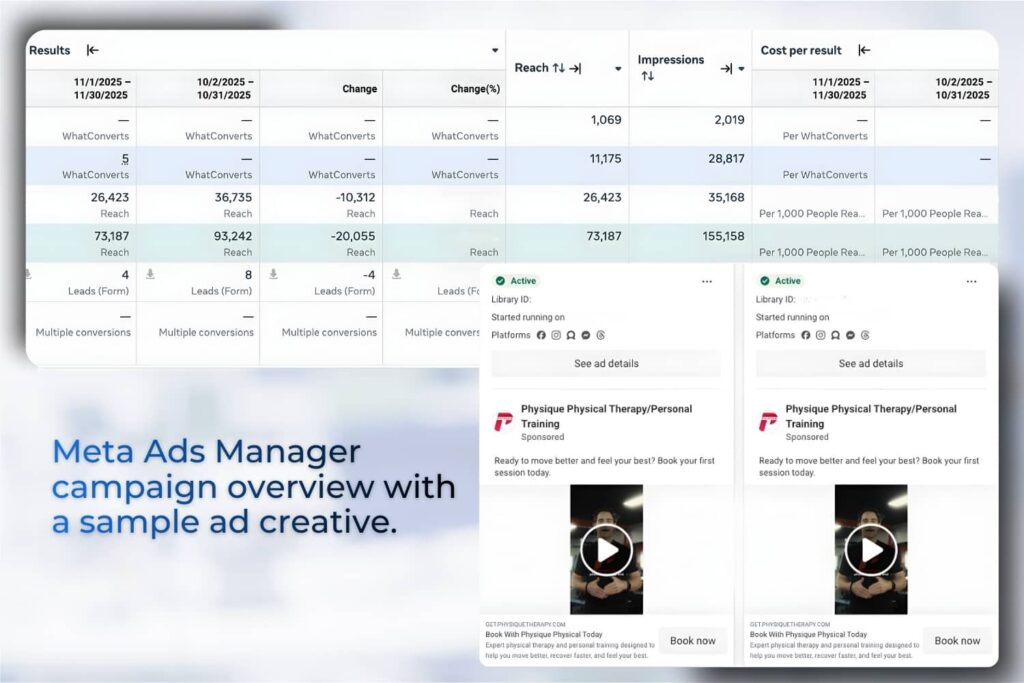
Reviewing real ad platform data can make these cost differences easier to understand.
Facebook and Instagram Advertising Costs
Meta platforms remain the most widely used for local businesses.
- Strong geographic targeting
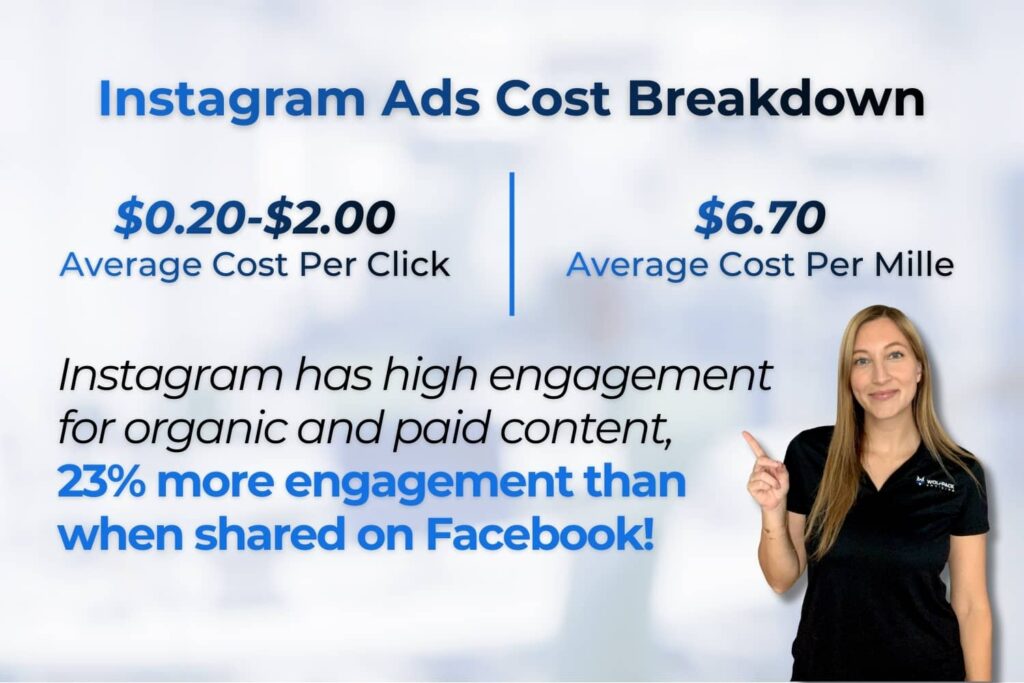
- Average CPMs range between $8 and $14, depending on the market, which aligns with recent Meta CPM benchmarks that show broad awareness campaigns often landing in this range for many industries.
- Reliable reach for homeowners
TikTok Advertising Costs
TikTok is often one of the most cost-efficient options for building broad awareness, especially for brands willing to lean into short-form, vertical video and trend-driven content.
- Lower CPMs in many local markets
- Strong engagement for short-form video
- Creative clarity matters more than production quality, as simple, direct messages often outperform highly polished but unfocused ads
YouTube Advertising Costs
YouTube works best for businesses that can tell a fuller story, educate buyers, or demonstrate services in a way that needs more than a few seconds of attention.
- CPMs often range from $10 to $20
- Effective for educational and awareness campaigns
- Higher creative investment required, since longer videos typically need scripting, editing, and stronger storytelling to keep viewers engaged
LinkedIn Advertising Costs
LinkedIn is designed primarily for professional networking and B2B demand generation, which is why its pricing skews higher and its strengths do not always translate to consumer-focused local services.
- CPMs often exceed $30
- Best suited for B2B and professional services
- Limited value for most home service brands, which usually see better reach and lead volume from platforms like Meta, TikTok, or YouTube
Choosing the right platform often has a greater impact on cost efficiency than increasing spend. Matching your audience, content style, and goals to the platform can help maximize reach without inflating advertising costs.
How Maximum Reach Changes Social Media Advertising Costs
Reach-focused campaigns are priced differently from lead campaigns.
Reach vs Conversion Objectives
- Reach campaigns optimize for impressions and frequency
- Lead campaigns optimize for actions
Reach-focused campaigns often cost less per impression but depend on repeated exposure to be effective. Research shows it can take anywhere from 3 to 60 or more interactions before someone is ready to convert, which is why consistent reach plays a key role in long-term growth.
Social and search ads reach people differently, which impacts cost and performance. Social media ads target audiences based on demographics and interests, helping businesses build awareness before users actively search for them.
Search ads target high-intent users looking for specific products or services, often at a higher cost per click but with a faster conversion rate. Social ads support long-term visibility, while search ads capture immediate demand, which is why many businesses use both.
Social media ads are strongest for building awareness with specific demographics and interests, while search ads are best at capturing high-intent users who are already looking for your services.
Most local and home service brands get the best results by pairing social ads for long-term visibility with search ads for ready-to-book demand.
Common Budget Mistakes That Inflate Social Media Advertising Costs
Many businesses overspend on social media ads without realizing it. Small setup or strategy mistakes can quickly drive up costs, even when the budget itself has not changed. Identifying these issues early helps protect reach and performance.
Boosting Posts Instead of Running Campaigns
Boosting posts may seem convenient, but boosted posts lack the optimization controls, audience options, and reporting depth you get in full ad campaigns. That often leads to higher costs and less clarity about which audiences, creatives, or placements are actually working.
Poor Location Targeting
Poor location targeting is one of the fastest ways to waste budget. When ads are shown outside your true service area, impressions go to people who cannot convert, which inflates your costs without adding meaningful leads or revenue.
Creative Fatigue
Running the same ads for long periods can cause engagement to decline as audiences see the same message repeatedly. When this happens, platforms detect lower interaction and often increase delivery costs.
On Meta, for example, a frequency that creeps above 3 to 5 per person over a short period can be an early sign of fatigue, especially if performance starts to dip.
Refreshing visuals, testing new hooks in your headlines, or rotating formats every 2 to 4 weeks (depending on spend) keeps ads feeling new and helps protect both reach and cost efficiency.
Over-Focusing on Cheap Clicks
Lower cost per click does not always mean better outcomes if quality suffers; chasing the cheapest clicks can fill your reports with low-intent traffic that rarely converts into leads or customers, which ultimately drives your true cost per lead and return on ad spend in the wrong direction.
Together, these mistakes do more than waste a few dollars — they limit how much useful data your campaigns generate, confuse the signals platforms rely on, and make it much harder for algorithms to consistently find and scale your best-performing audiences.
Avoiding these common mistakes allows campaigns to run more efficiently and produce more predictable results. With clearer structure and smarter decisions, businesses can reduce wasted spend while maintaining strong visibility.
How to Improve Ad Efficiency Without Sacrificing Reach
Controlling social media advertising costs does not mean cutting back on visibility. It means improving how campaigns are structured, targeted, and optimized so budgets work harder. Small adjustments can lead to better efficiency without sacrificing reach.
Test Creative Regularly
If your ads feel repetitive, exploring new creative digital marketing ideas can refresh performance without raising spend.
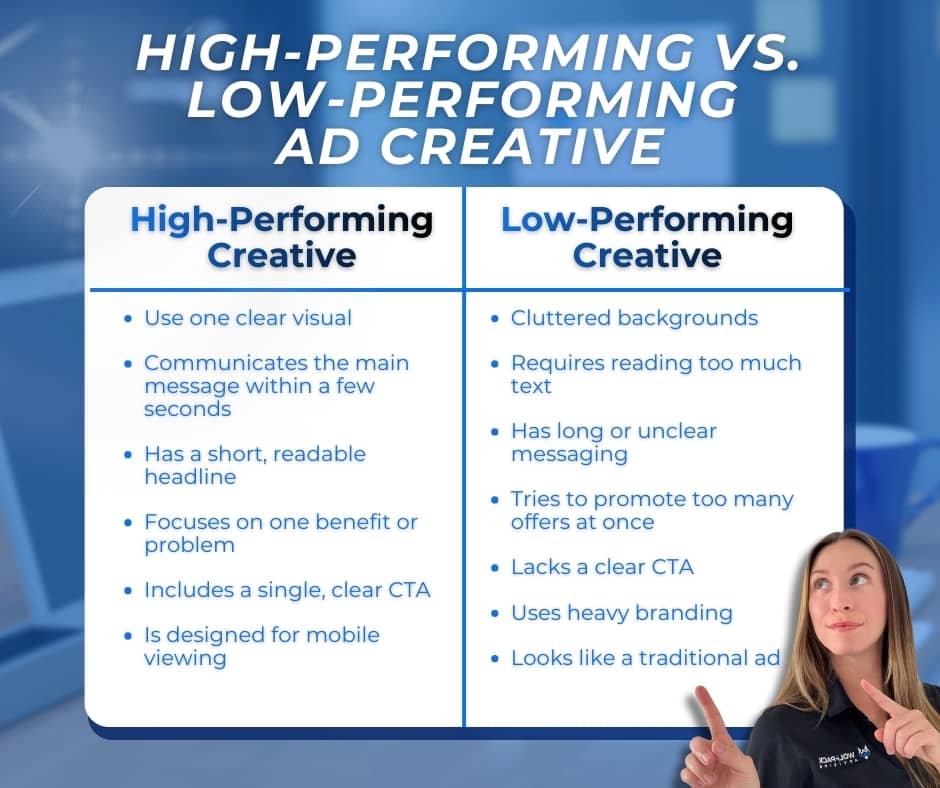
Integrating social media and content marketing gives you a larger bank of messages and visuals to test in your ads.
Refine Audiences Using Data
Leverage engagement and video view audiences to reduce waste by retargeting people who have already interacted with your brand, rather than constantly paying to reach cold users who may never convert.
Reallocate Spend Strategically
Shift budget toward campaigns showing consistent reach performance, healthy engagement rates, and acceptable cost per lead, while pausing or trimming spend on ad sets that repeatedly underdeliver.
Align Ads With Seasonality
Matching spend to demand improves cost efficiency by investing more when your services are in high demand and scaling back during slower periods, so you are not overpaying for impressions when your audience is less likely to buy.
When campaigns are managed consistently, platforms reward strong performance with better delivery. This approach helps businesses maintain reach while keeping social media advertising costs under control.
The Role of Strategy and Management in Ad Cost Efficiency
Controlling social media advertising costs is less about spending less and more about spending smarter. When campaigns are clearly structured and actively optimized, platforms can deliver ads more efficiently without reducing reach.
Even small improvements in setup and targeting can have a noticeable impact on performance over time.
A structured approach to social media advertising typically includes:
- Aligning campaigns with clear business goals
- Managing platform-specific strategies consistently
- Monitoring reach alongside meaningful engagement signals
- Testing creative and audiences to reduce wasted spend
In many cases, campaigns that follow a consistent management process begin to show stronger reach efficiency within the first 60 to 90 days, once platforms have enough data to optimize delivery effectively.
When Higher Social Media Advertising Costs Are Worth It
Higher social media advertising costs are not always a negative signal. In some cases, they reflect increased competition, expanded reach, or successful scaling into new audiences. When campaigns are performing well, higher costs can support long-term growth rather than indicate inefficiency.
If reach continues to grow, engagement rates stay consistent, and lead quality improves, increased ad spend may be justified. Businesses should also consider lifetime customer value, not just the upfront cost of a click or lead.
When long-term revenue outweighs short-term spend, scaling social media advertising can be a strategic decision rather than a risk.
Related Questions
Are social media advertising costs higher in 2026 than in previous years?
Yes. Increased competition and reduced organic reach have pushed costs higher across most platforms. However, better targeting tools and creative optimization help offset those increases for well-managed campaigns.
What is a good monthly ad budget for home service businesses?
Most home service businesses see a stable reach starting between $2,000 and $4,000 per month. Lower budgets can work short-term, but they limit learning and consistency.
Which social media platform has the lowest advertising costs?
TikTok often offers lower cost per thousand impressions, especially in local markets. Results depend heavily on creative quality and message clarity.
How long does it take for social media ads to perform well?
Most campaigns need 30 to 90 days to gather data, optimize delivery, and reduce inefficiencies. Performance often improves with consistent spend.
Is it possible to lower paid social ad spend over time?
Yes. Strong creative, audience refinement, and ongoing optimization typically reduce costs as platforms learn who engages with your ads.
Conclusion
Social media ads in 2026 aren’t about hacks or shortcuts. The brands winning today are focused on clear strategy, consistent campaigns, and decisions backed by real data.
By understanding how platforms price reach and how to optimize campaigns over time, local and service-based businesses can maximize visibility without overspending.
If you want help building a data-driven advertising strategy that supports long-term growth, WolfPack Advising can help you plan smarter and scale with confidence.