Last updated on June 23rd, 2026 at 01:40 pm
Marketing is how your pest control business stays visible, builds trust fast, and books more jobs throughout the year. The goal is simple. When someone discovers pests in their home, your company should be the first name they think of.
Most homeowners search online within minutes of noticing a problem. They compare a few companies, skim reviews and photos, and choose the one that feels most reliable.
This guide covers the most effective pest control marketing ideas for this year, written for busy owners who want real results without extra complexity.
You can grab our free pest pro marketing playbook below!
Why Pest Control Marketing Matters More This Year
Pest problems create urgency. When someone sees termites, rodents, ants, or roaches, they do not spend hours researching. They want a solution right now.
Over 90% of consumers check online reviews before visiting or hiring a local business. Plus, Google reports that most local searches turn into a call or visit within the same day. That means you need to be the first trustworthy option they see.
Strong marketing helps you:
- Show up in more searches
- Build trust before the customer even calls
- Educate people on your services
- Stand out from national competitors
- Create repeat customers who come back every year
You do not need every tool or trend. You only need a consistent plan that keeps you visible and easy to choose.
Idea 1: Refresh and Optimize Your Google Business Profile
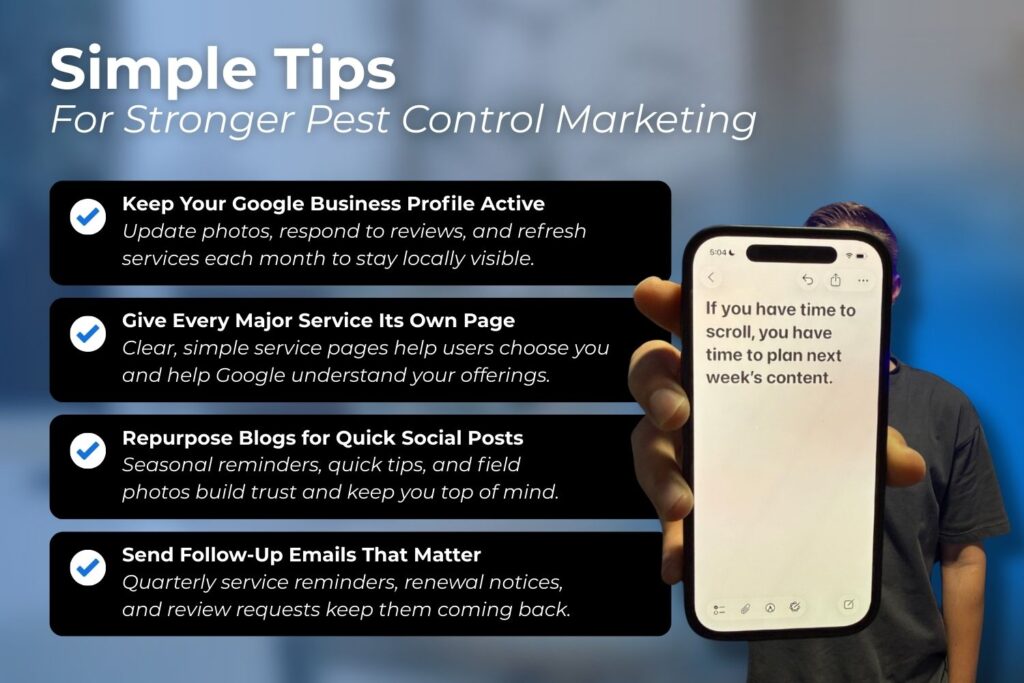
Your Google Business Profile (GBP) is one of the most powerful tools in pest control marketing. Many homeowners decide who to call based entirely on the GBP listings they see in the map results.
If your profile is incomplete or outdated, you miss out on easy leads. A refreshed GBP tells customers you are active, trustworthy, and ready to help.
Make Your Profile Stronger
Start by reviewing the basics. Add accurate service areas, update your hours, and write a short description that explains your main services and what makes you different. Homeowners want clarity more than anything.
Your profile should also include:
- A complete service list
- Real photos of your team, equipment, and trucks
- A short FAQ section
- Recent reviews
- Updated license and insurance information
Why This Matters
Google rewards active profiles with more visibility. Profiles with photos, updated services, and frequent engagement consistently appear higher in local results.
This means more people see your business before they see competitors.
A simple monthly GBP routine: Do a quick check at the start of each month. Add a couple of new photos, respond to every review, and post a short update or seasonal tip.
This shows Google that your listing is alive and relevant. Even small updates can push your business higher in the map pack, where most clicks happen.
Idea 2: Zero In On Helpful Service Pages
Homeowners want answers fast. When they land on your website, they are asking one main question. Can you solve this problem for me?
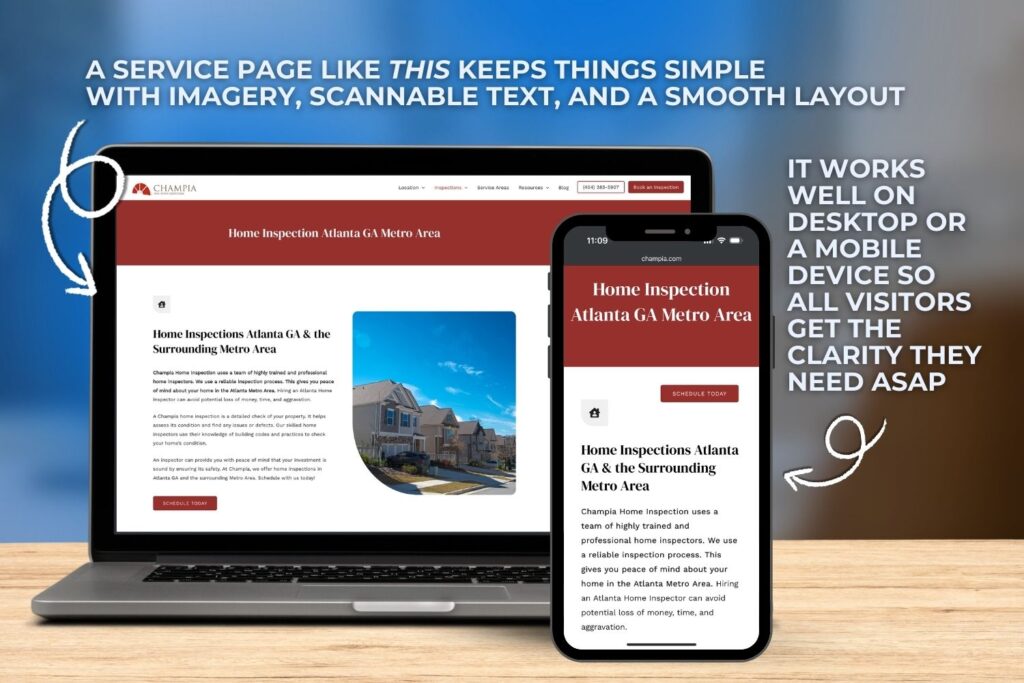
Service pages help you answer that question clearly. Creating individual pages for each pest and each treatment builds trust and improves search visibility.
Start with your most important services. Common service pages include:
- Termite treatment
- Rodent control
- Cockroach treatment
- Ant control
- Mosquito treatment
- Bed bug removal
- Wildlife services
Each page should give a clear, simple overview of the pest, signs homeowners can look for, and how your treatment works. People do not want technical terms. They want reassurance and next steps.
What an Effective Service Page Includes
Instead of a long list of bullets, think of your service page like a conversation with the customer.
Begin with the main concern. Explain the signs they might see and why the issue showed up. Then walk them through what your service looks like from start to finish. Keep the wording calm, simple, and confident.
Short supporting lists can help break up the content, such as:
- How your team prepares for treatment
- What happens after the visit
- Key pests you treat for
This helps readers scan quickly without feeling overwhelmed.
Add clear calls to action. At the end of each section, remind visitors that help is only one step away. A simple button like “Request a quote” or “Book pest control today” gives them a clear next move.
Idea 3: Strengthen Your SEO and AEO Together
SEO helps your website show up in Google. AI engine optimization (AEO) helps your content appear inside AI answers from tools like ChatGPT, Google AI Overviews, and Perplexity.
Both matter because homeowners are using both types of search to get quick solutions.
Search engines scan your pages to understand what you offer and where you work. Make that information obvious.
Use simple steps like:
- Add your city or region in your titles and headings
- Keep paragraphs short and readable
- Use internal links between related pages
- Write clear descriptions of each service
- Add real alt text that describes every image
Good internal linking helps Google understand your site. It also keeps visitors moving from page to page instead of leaving quickly.
How AEO Supports Your Visibility
AI tools pull short, clear answers from websites. They do not scan long paragraphs or technical explanations. They look for simple text blocks that answer a question directly.
To support AEO, begin each section with the answer, then add details below. Think of it as writing the most helpful sentence first.
Quick comparison of SEO and AEO support:
| Goal | Helps SEO | Helps AEO |
| More local visibility | Clear city terms in headings | Simple answers at the start of each section |
| Better user trust | Real photos and reviews | Short examples and steps |
| Higher ranking | Organized service pages | Lists and tables |
| Stronger content | Internal links | Straightforward writing |
SEO and AEO work best when the writing is clean and helpful. The more natural and simple your wording is, the easier it is for search tools and AI tools to use.
Easy Way to Find New Topics
Search “pest control [your city]” and look at the “People also ask” questions. These questions often turn into your strongest blog topics.
Answering real questions keeps your content useful and helps both Google and AI understand your expertise.
Idea 4: Stay Top of Mind With Simple Social Media Posts
Most pest control companies do not need to be everywhere online. You only need a reliable, light social presence that keeps your name familiar.
Social media works well for pest control because pests are seasonal, visual, and create natural curiosity. Homeowners like seeing behind the scenes and simple tips that help them protect their home.
What are the best platforms for pest control? Most businesses see strong results from:
- Google posts inside your GBP
- TikTok or YouTube Shorts if you enjoy video
You can start with just Facebook. It has the strongest local audience and the highest reach for homeowners.
A Simple Posting Style That Works
The best social content does not look like an advertisement. It looks like real people doing real work.
Try rotating content such as:
- Photos from the field
- Seasonal warnings, such as spring ants or fall rodents
- Quick myth-busting
- Tips to keep pests out of the home
- Termite swarm reminders
- Appointment openings
- Review highlights
Keep each post short and friendly. Most people only give a few seconds of attention while scrolling.
Keep a schedule you can keep up with. Two to four posts per week is a healthy pace. Use Meta’s free scheduler to batch content for the month in under an hour.
If a topic does well, reuse it or turn it into a quick video. Repetition builds trust.
Idea 5: Use Email and a CRM to Stay Connected All Year
Pest control is one of the few home services where repeat business is expected. Quarterly plans, annual termite renewals, seasonal treatments, and inspection reminders are all opportunities to stay connected.
Email and a CRM help you follow up consistently without spending extra time.
What a CRM Does for Pest Control
A CRM stores your contacts, service history, property details, and follow-up reminders in one place. It keeps your team organized so every customer gets a consistent experience.
With simple tags, you can group people by the services they use. For example:
- Quarterly service customers
- Termite monitoring customers
- Rodent control customers
- Missed estimate leads
This makes follow-up easier and more personal.
Helpful Automated Messages
Automations save hours and help you stay top of mind. You can set up simple messages like:
- Appointment confirmations
- Day before reminders
- Quarterly treatment reminders
- Termite renewal reminders
- Review requests
- Follow-ups for missed quotes
Table of CRM follow-up ideas:
| Trigger | Who Gets It | Timing | Purpose |
| New customer | Homeowner | Same day | Set expectations |
| Quarterly plan | Current customer | A few days before service | Reduce cancellations |
| Annual termite check | Homeowner | Once a year | Encourage repeat care |
| Missed estimate | Lead | Next day | Bring them back |
| Review request | Customer | After service | Boost ranking |
| Seasonal warning | All contacts | Spring and fall | Build trust and awareness |
Email remains one of the highest ROI marketing tools, returning about $36 for every one dollar spent.
Idea 6: Use Ads To Fill Your Schedule Fast
Ads help you reach homeowners right when they search for urgent help. They also keep your business visible during slower seasons.
Start with one platform, test a few ideas, and build from there.
Local Service Ads
These are the fastest ways to get calls. You only pay when someone reaches out.
You need:
- A verified GBP
- A few reviews
- A logo or photo
- Proof of license and insurance
These ads appear at the very top of Google, above all other results.
Google Search Ads
These work best when promoting specific treatments such as termites, rodents, or bed bugs.
Create a simple search campaign with:
- Five to ten strong keywords
- A clean landing page
- A clear offer
- Call tracking
- A small daily budget
Search ads give you precise control over who you reach and what message they see.
Meta Ads
Use these for awareness and long-term branding. They work well for:
- Seasonal pest reminders
- Prevention plans
- Special offers
- Local visibility
These ads keep your name top of mind even when someone does not need help that day.
Microsoft Ads
These help you reach desktop users, who tend to be older homeowners and often own single-family homes. You can import your Google Ads into Microsoft Ads in minutes.
What to expect in the first month:
- Calls from LSAs within one week
- Traffic from Google Ads within one to two days
- First messages from Meta Ads within ten to fourteen days
- Cost per lead is between thirty and seventy-five dollars
Check your ads weekly and adjust the message or landing page based on results.
Related Questions
What is the best pest control marketing strategy?
The strongest strategy combines a polished Google Business Profile, helpful service pages, and simple ads.
How often should pest control companies post on social media?
Two to four posts per week are enough to stay visible without a heavy time commitment.
Do pest control companies need SEO?
Yes. SEO helps your services show up in local searches and supports long-term visibility.
Is paid advertising worth it for pest control?
Yes. Local Service Ads and Google Search Ads often bring the fastest, highest-intent leads.
Does email marketing work for pest control?
Email is one of the highest ROI tools and helps you stay in touch with customers all year.
Final Thoughts
Strong pest control marketing does not require a large team or a complicated strategy. Start with one or two of these ideas. Build them into simple routines. Add more as your visibility grows.
If you need help with SEO, ads, content, or a complete digital marketing plan, WolfPack Advising can guide you with a proven system built for pest control businesses.
Your next customer is already searching. Let’s make sure they find you.